AI for
Scientific Figure Creation
Go from a single prompt to clear, structured Signaling MoA figures in minutes, without manually moving a single arrow.
Enjoy 20 free generations

Figure Generation Assistant for Life Sciences
Complete Your
Preparation in a Single Request.
See how Noah fetches relevant papers from PubMed and automatically organizes the evidence into a structured, presentation-ready figure for your research.
Search Summary:
Search recent and authoritative literature to confirm the canonical PD-1/PD-L1 checkpoint blockade mechanism, key immune-cell interactions, and cytotoxic effector outputs needed for an accurate publication-ready biomedical illustration.
PubMed Search Term:
PD-1 PD-L1 checkpoint blockade tumor microenvironment CD8 T cell perforin granzyme apoptosis
Search Results:
- CD8-Targeted IL2 Unleashes Tumor-Specific Immunity in Human Cancer Tissue by Reviving the Dysfunctional T-cell Pool.
- Role of tumor cell pyroptosis in anti-tumor immunotherapy.
- Progress in understanding the regulatory mechanisms of immune checkpoint proteins PD-1 and PD-L1 expression.
- PD-1 endocytosis unleashes the cytolytic potential of checkpoint blockade in tumor immunity.
- Spatial proteomics of immune microenvironment in nonalcoholic steatohepatitis-associated hepatocellular carcinoma.
Complete Biomedical Figure Workflow

Dual Illustration Modes for Biomedical Figures
Noah provides two adaptive figure modes to match your specific publishing needs. Choose Visual Mode to create stunning, attention-grabbing illustrations, or Logic Mode to build high-density diagrams that clearly map out your data.
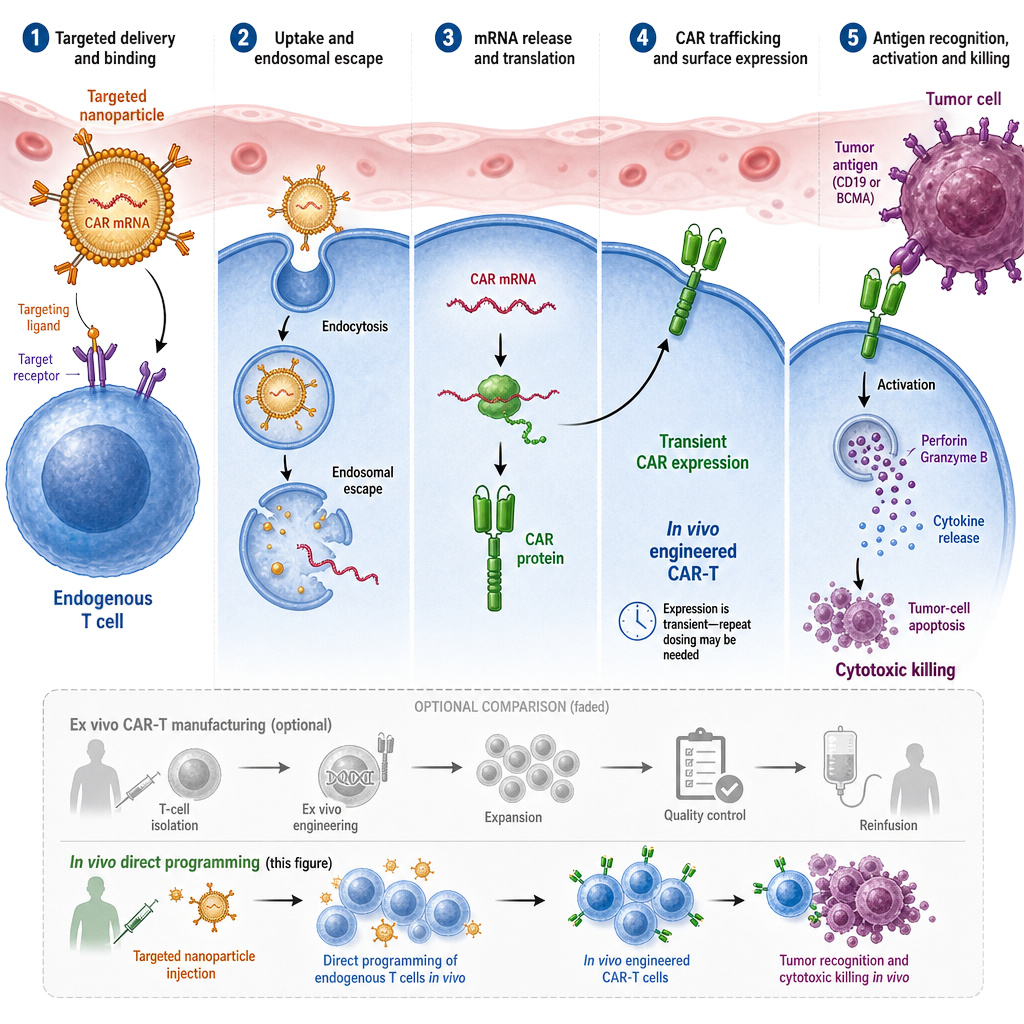
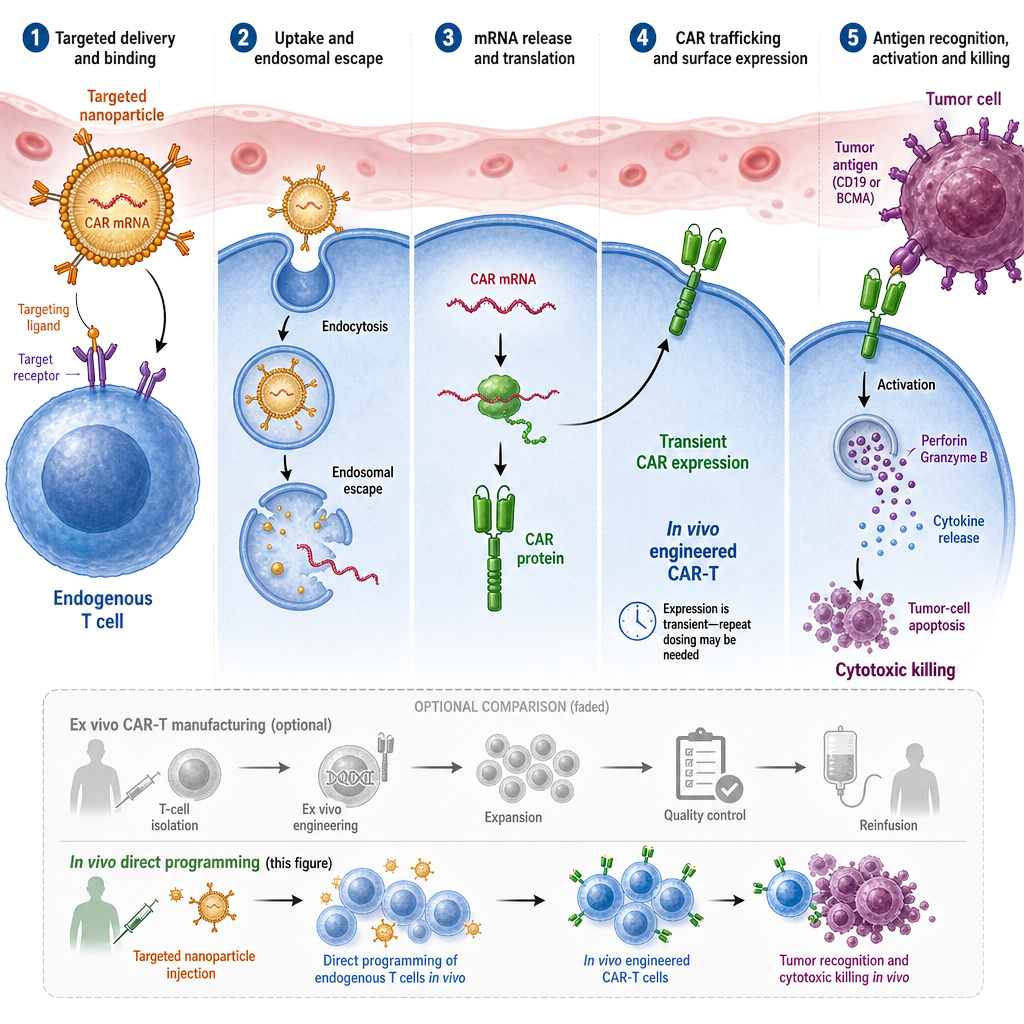
Image quality
Create publication-ready visuals with enhanced aesthetics and professional design. Ideal for journal covers, presentations, science communication, and high-impact visual storytelling.
Polished visuals
Best for covers and science communication
Content density
Pack more biological context and mechanistic insights into a single figure. Ideal for explaining complex pathways, cellular interactions, and disease mechanisms in research and education.
Richer information
Best for mechanism explanations and teaching
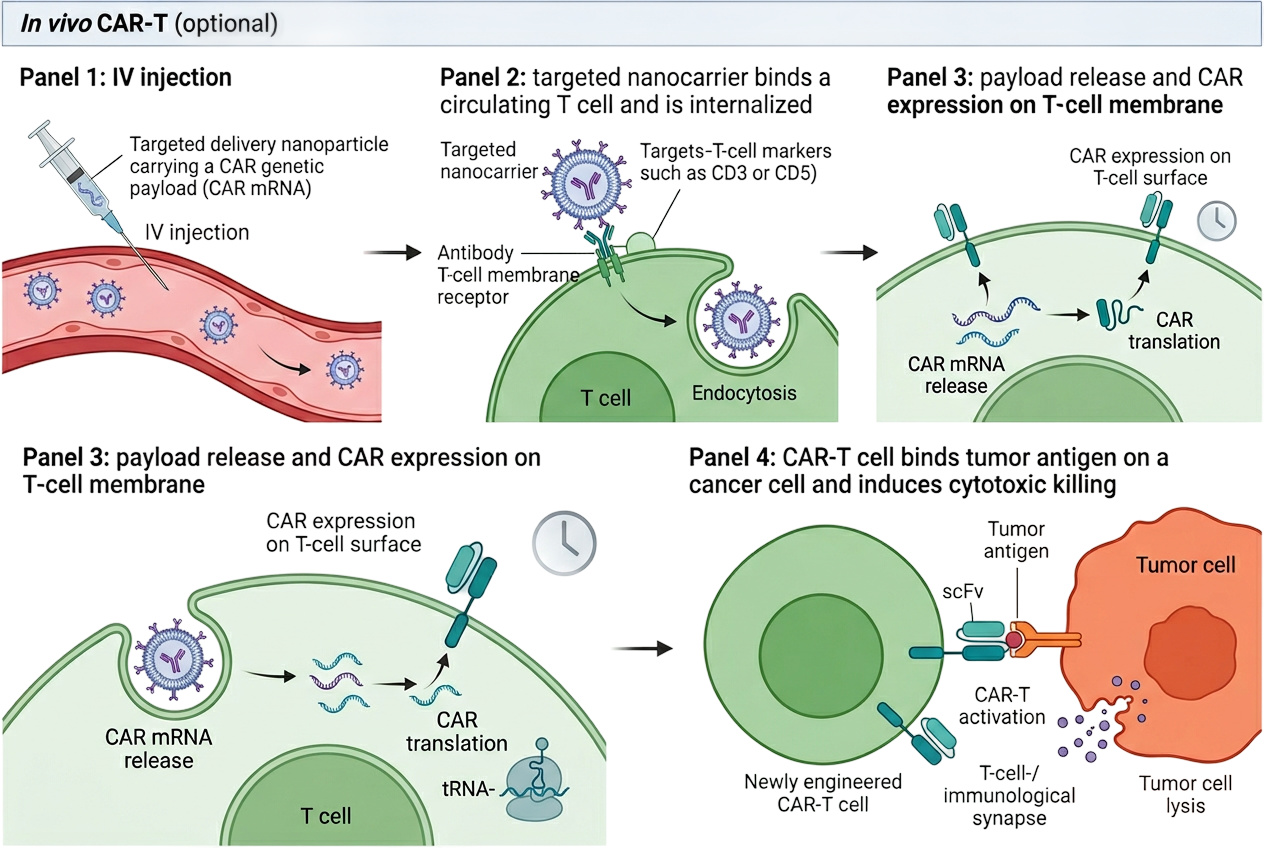
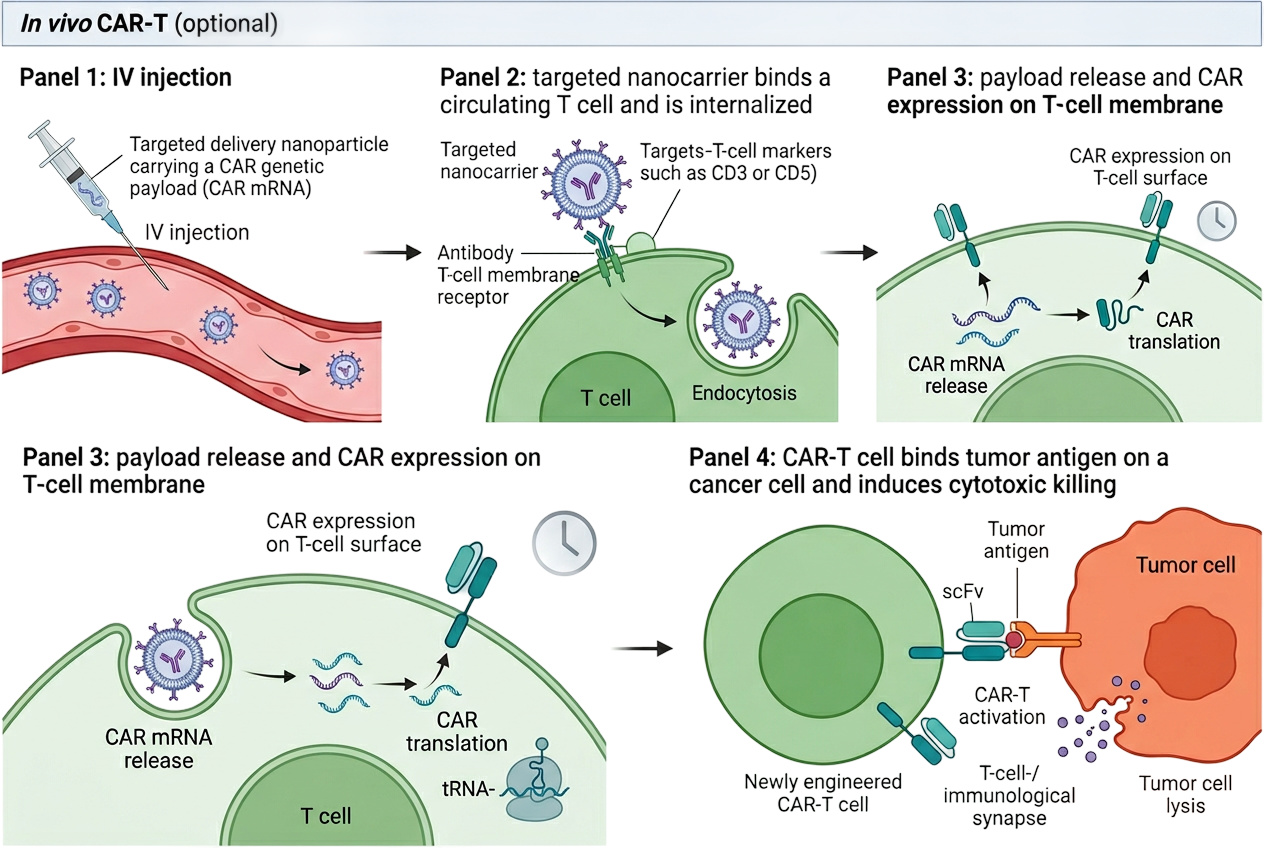
Seamless Iterations, Precise Perfection
Skip the steep learning curve of Illustrator, Photoshop, or Procreate just to tweak minor details, and focus instead on cultivating your unique aesthetic.
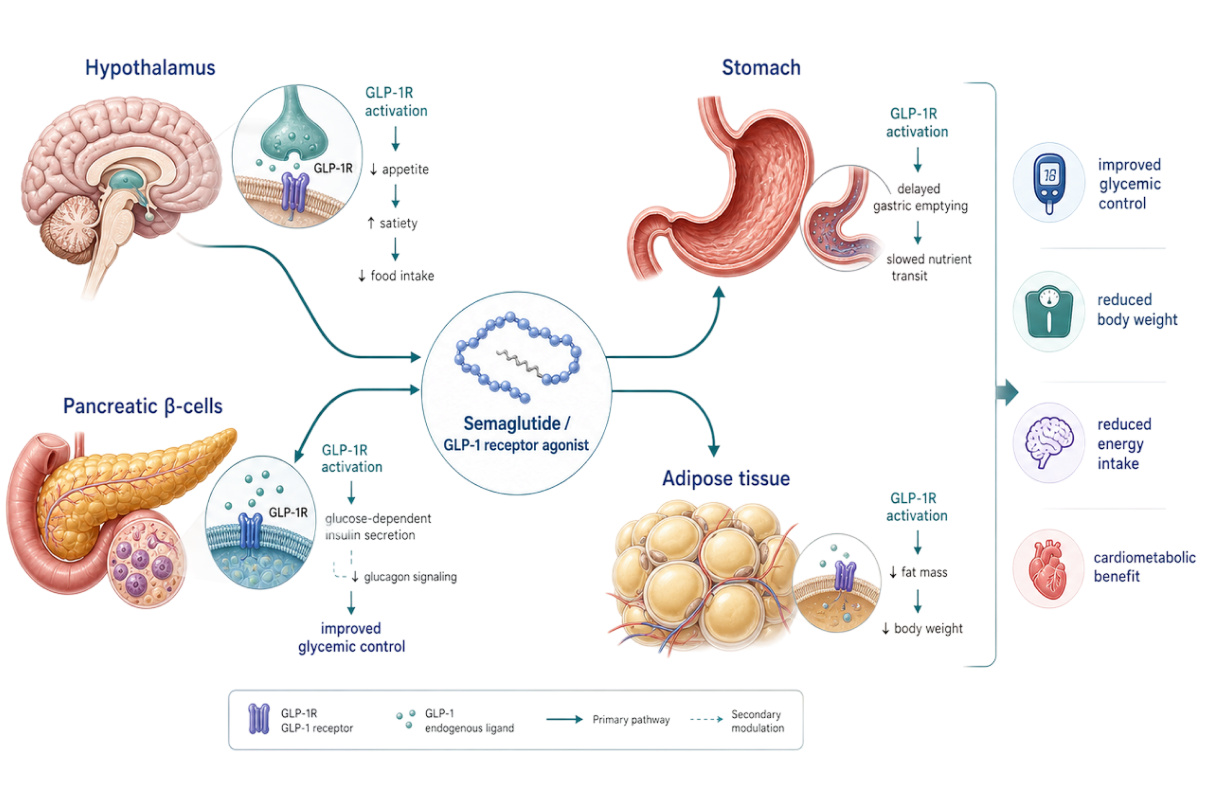
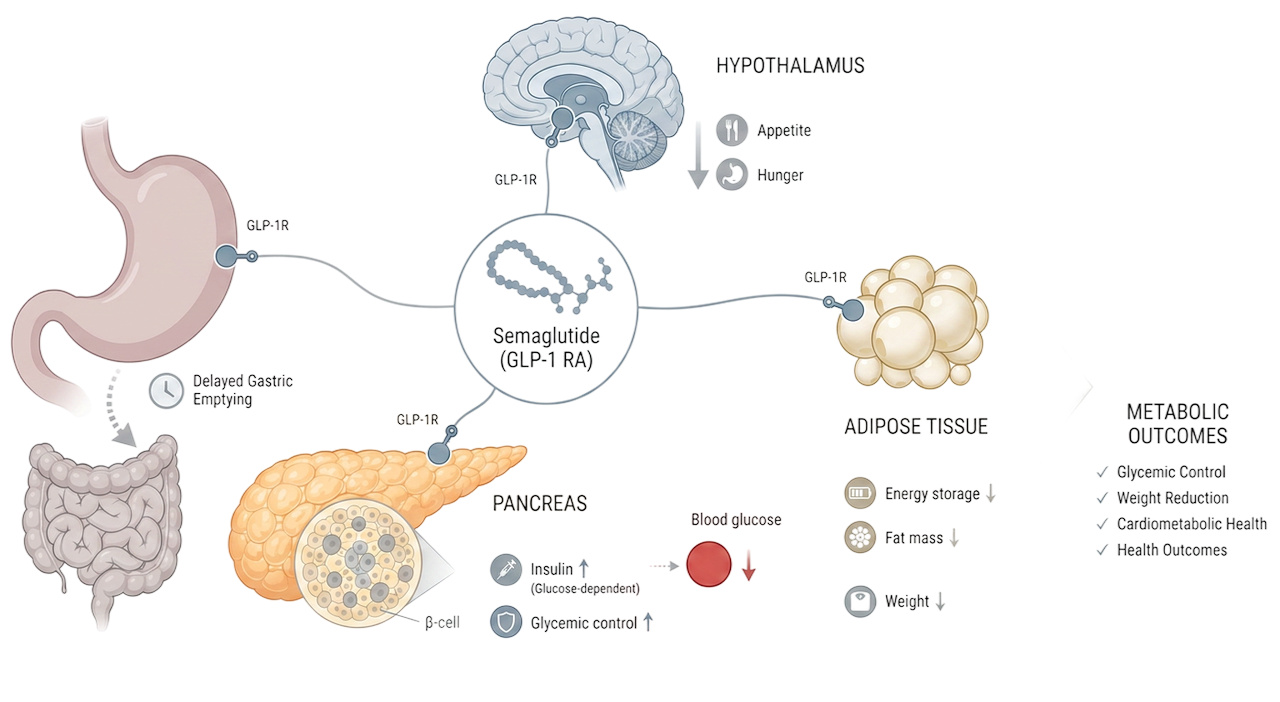
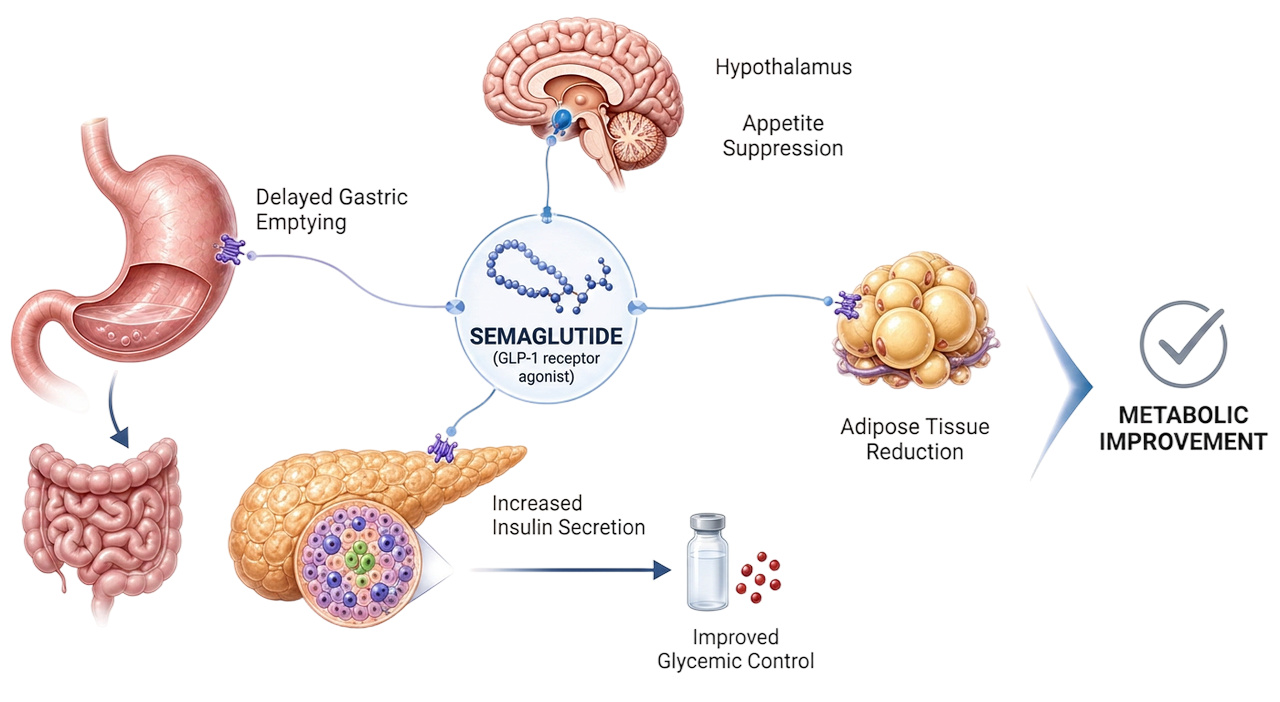
Create a publication-style biomedical metabolic mechanism figure showing the mechanism of incretin-based therapies in obesity and metabolic regulation.
Enter prompt...
Whenever an improvement comes to mind, simply describe your vision to Noah. Noah flawlessly executes every granular adjustment. With a generation time of just 1–2 minutes, it saves researchers and students invaluable hours on scientific illustration.
Search 4M+ Papers from Trusted Sources
View or download all cited references with one click.
You can also upload your own data and files, so Noah can generate figures based on your materials.
Explanation of image content and scientific context
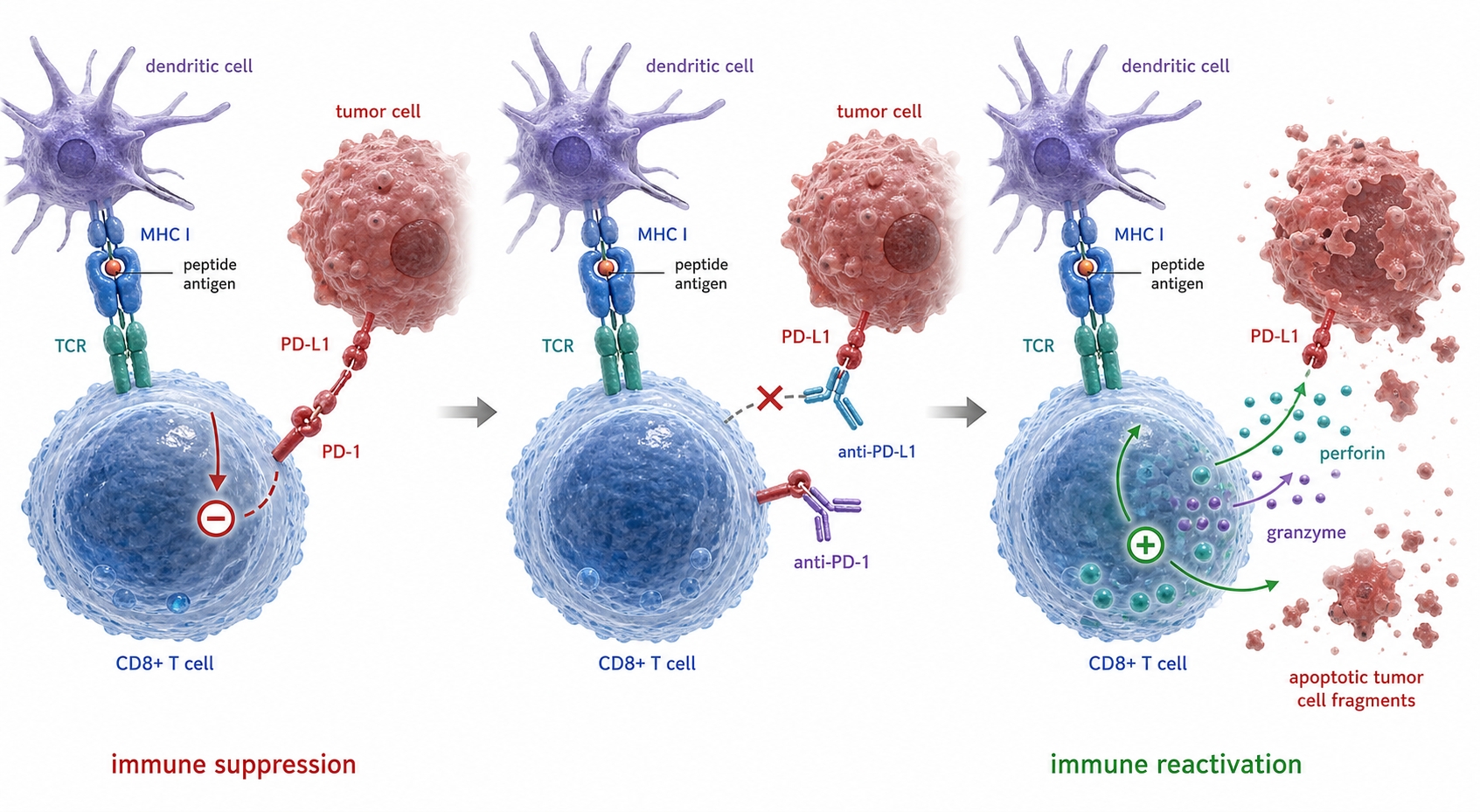
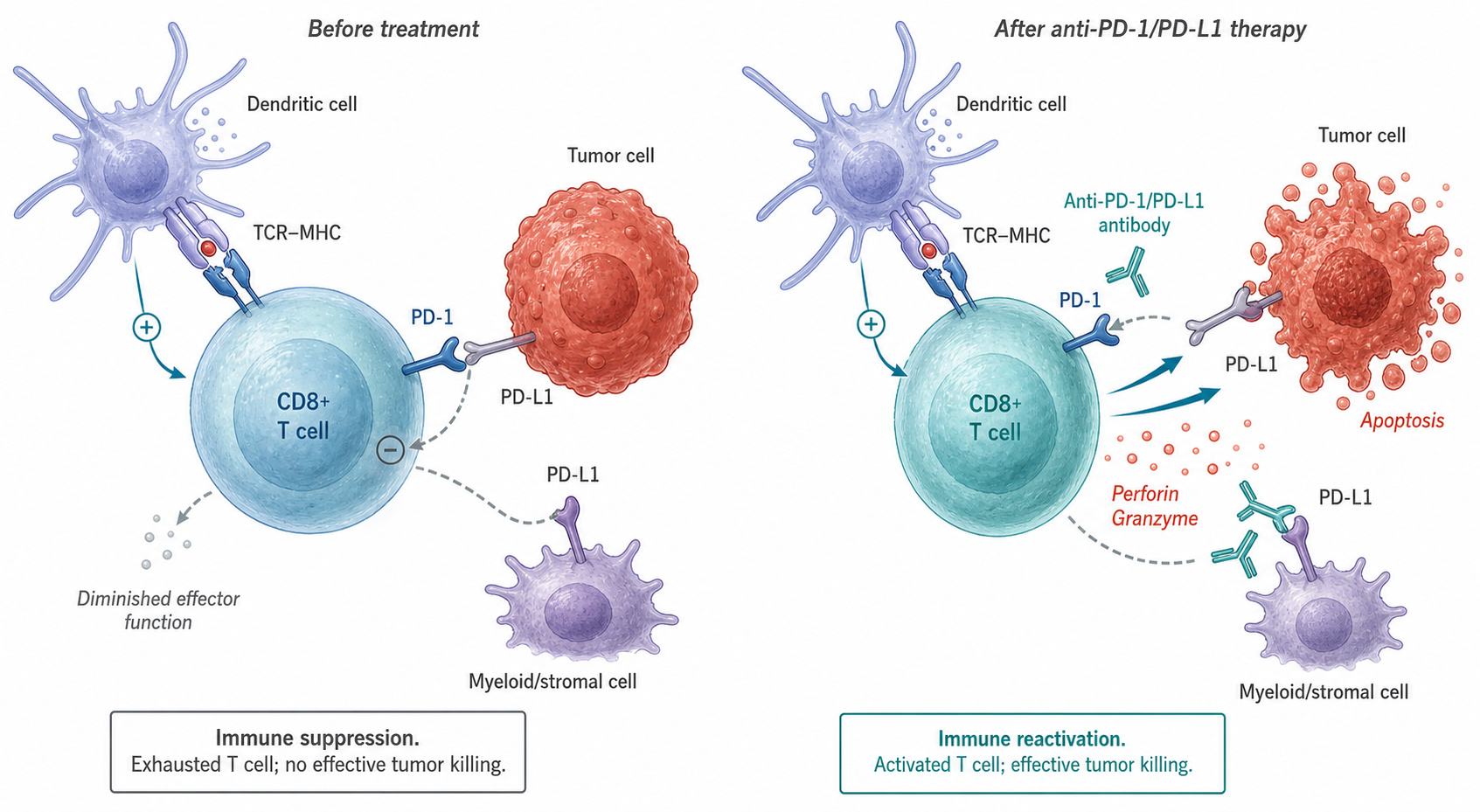
- Left panel (immune suppression): A dendritic cell engages a CD8+ T cell via TCR–MHC, while PD‑1 on the T cell interacts with PD‑L1 on adjacent tumor and myeloid/stromal cells, depicting inhibitory checkpoint signaling that attenuates TCR‑mediated activation and effector function12. PD‑L1 on antigen-presenting cells (e.g., dendritic cells) and macrophages is shown as part of the suppressive network in the tumor microenvironment345
Incretin impact on gastric function in obesity: physiology, and pharmacological, surgical and endoscopic treatments.
The aims of this review are to appraise the role of the stomach in satiation, the effects of incretin and other hormone agonists on weight loss, and the role of altered gastric…
References Overview
References are sorted by relevance and quality.
Progress in understanding the regulatory mechanisms of immune checkpoint proteins PD-1 and PD-L1 expression.
Programmed Death Protein-1 (PD-1) is a cell surface receptor that serves as a checkpoint for T cells, playing a pivotal role in regulating T-cell apoptosis. The binding of PD-1 to its ligand, Programmed Death-Ligand 1 (PD-L1)...
Author: Wu Xuanxuan X, Zhu Zengjun Z, Zhang Jian J, Tian Maojin M, Zhao Peiqing P
2025-01-08
Complex regulatory network of programmed death-ligand 1 in cancer: Cancer immunomodulation from molecular mechanisms to clinical applications.
Immune checkpoint therapy targeting PD-L1/PD-1 represents a key cancer treatment strategy. PD-L1 binds PD-1 on T cells, suppressing activation and enabling tumor immune escape...
Author: Wu Xuanxuan X, Zhu Zengjun Z, Zhang Jian J, Tian Maojin M, Zhao Peiqing P
2025-01-08
Can AI-generated scientific images be directly submitted to journals or published in research papers?
Top biomedical journals (such as Nature, Elsevier, and Springer) enforce a strict zero-tolerance policy against AI-generated raw data to prevent data fabrication. However, leading medical frameworks like ICMJE and WAME welcome the use of AI as an augmentation tool for non-data visuals.
That's why we recommend leveraging Noah to seamlessly design your Graphical Abstracts, Mechanism/Pathway Diagrams, Grant Proposals, and Presentation Slides. When submitting these conceptual visuals, simply include Noah in your AI disclosure statement to ensure a risk-free, fully compliant publication process.
Frequently asked questions
Have Questions About Noah AI? Explore Comprehensive Answers Here
- A fast answer
- A focused evidence check
- Quick summaries with citations
- End-to-end analysis
- Comparison across multiple studies or competitors
- Reports you can present, defend, or reuse