Similar Products to FigureLabs for Reference-Based Scientific Figures (2026)
Linda
Compare FigureLabs alternatives for reference-based scientific figures, with a live Noah AI six-stage Ribo-seq workflow from PubMed retrieval to a codon-resolved visual draft.
Generating a scientific-looking image is easy. Generating one whose structure can be traced back to research evidence is a different problem.
That distinction matters when comparing products similar to FigureLabs. Some tools are strongest at illustration and editing. Others help with templates, vector cleanup, or presentation design. Noah AI is designed for the earlier and more scientific part of the workflow: turning a research question and literature search into a structured visual draft.
This article uses a completely new Noah task created for this comparison: a six-stage ribosome profiling workflow covering sample preparation, ribosome-protected footprints, sequencing, codon-resolved mapping, and analysis outputs.
The short answer: Choose Noah when the tool needs to investigate the scientific subject before it draws. Choose a canvas-first product when the scientific content has already been approved and the remaining work is manual assembly, typography, or vector finishing.
“Reference-based” should mean more than copying an image
The term can describe a visual reference used for layout or a scientific reference used to determine content. Both are useful, but only the second creates an evidence trail.
For this comparison, a reference-based figure should pass four checks:
- The research question and exclusions are stated before generation.
- The literature search is visible enough to inspect.
- The visual sequence reflects the scientific workflow rather than decorative composition.
- The result remains a draft that a researcher can correct.
A new Noah test: building a Ribo-seq workflow
We created a new task the requested figure was titled “Ribosome Profiling (Ribo-seq): From Translating Ribosomes to Codon-Resolved Translation.”
The prompt required six stages: actively translating ribosomes, RNase I digestion, monosome isolation, protected-footprint purification and library preparation, sequencing and mapping, and downstream analysis outputs. It also prohibited fabricated thresholds, PMIDs, biological conclusions, and clinical claims.
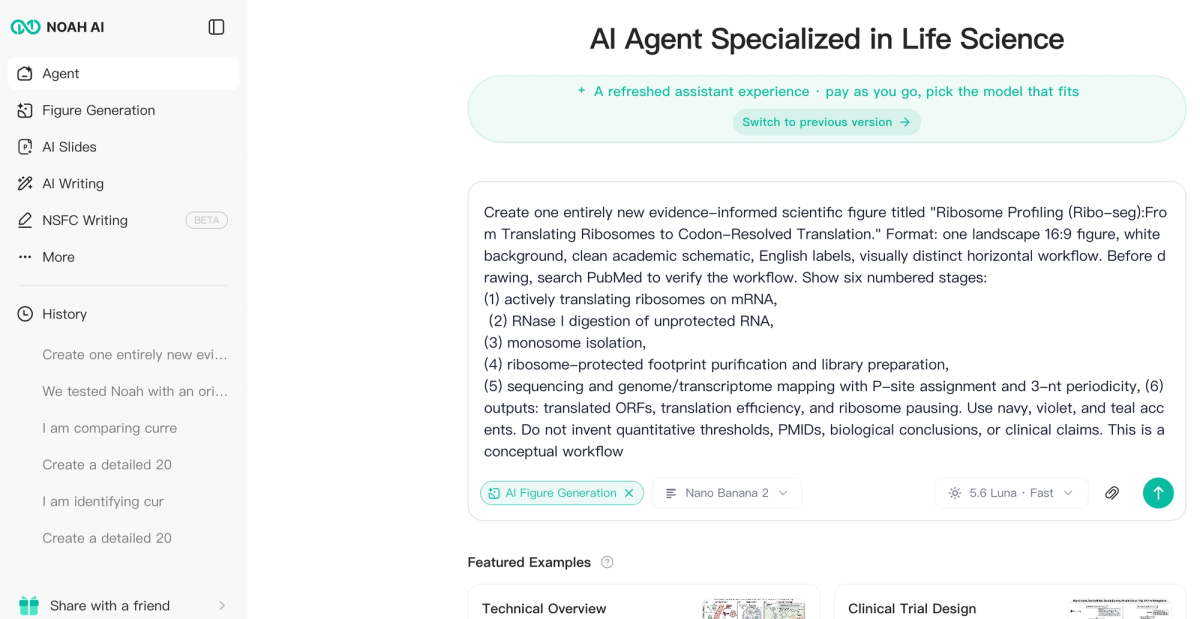
Figure 1. New Noah screenshot from task 4761e3b9-fd32-413a-9742-929b1f155e7d.
Why the prompt is part of quality control
A useful prompt does more than request a nice image. It establishes the scope of the scientific claim. Here, the prompt separates experimental stages from analytical outputs, identifies the artifact as conceptual rather than experimental data, and prevents unsupported numbers from being added.
The evidence step is visible
Before generating the image, Noah searched PubMed for Ribo-seq workflows involving RNase I digestion, monosome isolation, footprint library preparation, P-site assignment, and periodicity.
The interface displayed the reason for the search, the actual query, returned papers, and a written check that the six-stage structure matched the task.
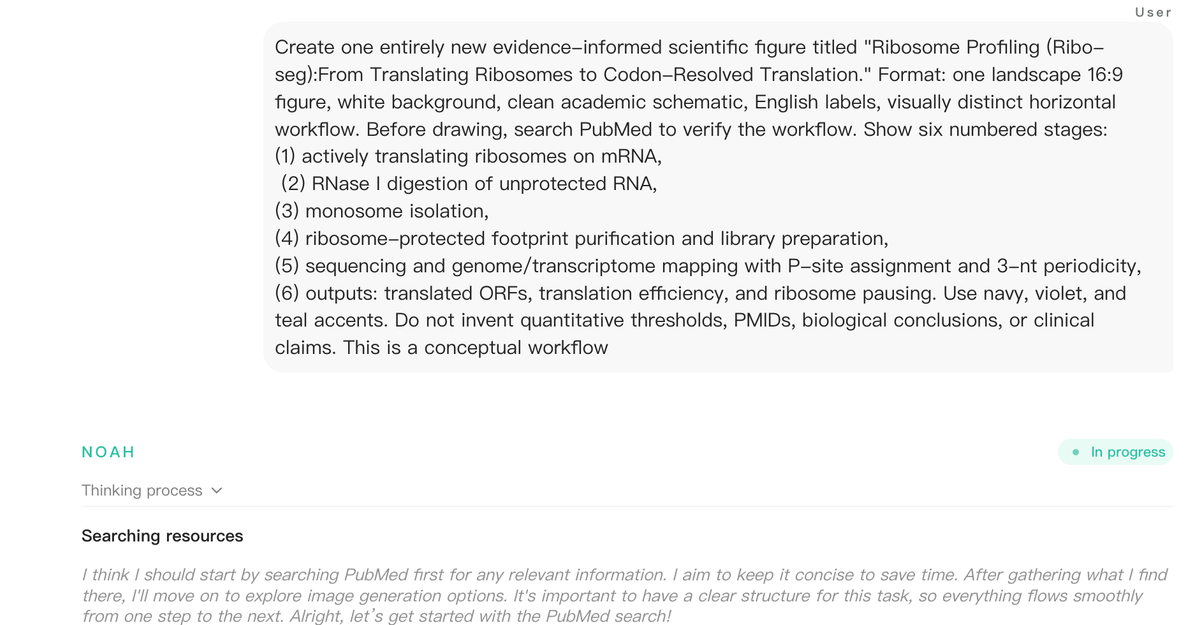
Figure 2. New screenshot from the same task. Noah exposes the PubMed search summary, query, returned literature, and workflow validation.
This is the main difference between evidence-first generation and a conventional design canvas. The retrieval trail can be reviewed, questioned, and rerun instead of being hidden behind an unexplained image.
What Noah produced
The completed result uses a horizontal sequence rather than the comparison-table format used in earlier articles. Each panel represents a distinct experimental or analytical stage.
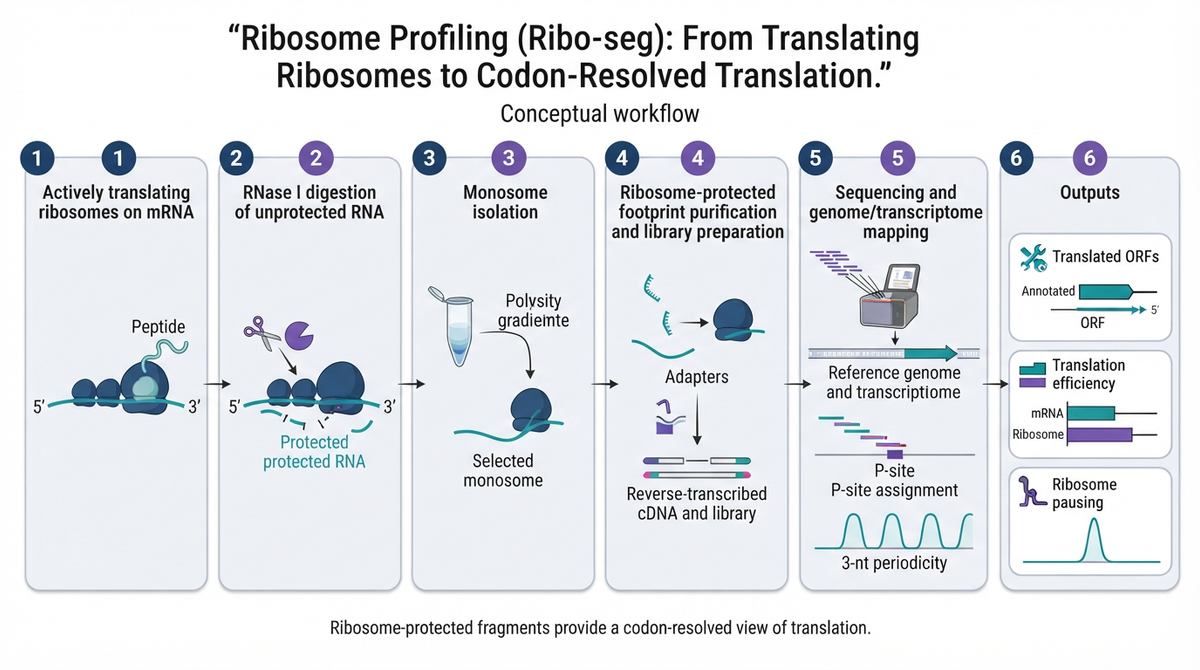
Figure 3. New Noah product screenshot created for this article. The navigation and preview window remain visible, showing the completed result from the same task.
The result captures the requested progression: translating ribosomes protect short mRNA regions; RNase I removes exposed RNA; monosomes are isolated; protected fragments become a sequencing library; reads are mapped for codon-resolved interpretation; and analysis produces ORF, translation-efficiency, and pausing views.
The output is useful because it gives the researcher something concrete to review. It is not automatically publication-ready. Organism-specific assumptions, nuclease choices, library details, and analysis conventions still require expert confirmation.
How the alternatives fit around this workflow
| Product | Best place in the workflow | What the researcher still supplies |
|---|---|---|
| Noah AI | Research question → PubMed retrieval → structured scientific draft | Final scientific verification and production QA |
| FigureLabs | Rapid figure generation and visual iteration | Evidence selection and claim validation |
| BioRender | Manual construction with biomedical objects | The accepted scientific story and source synthesis |
| Mind the Graph | Template-led graphical abstracts and communication assets | Evidence hierarchy and comparison logic |
| Adobe Illustrator | Precise typography, paths, layers, and export | Scientific reasoning and assembly decisions |
| Inkscape | Free SVG reconstruction and cleanup | Evidence synthesis, layout, and manual production |
These products do not have to be mutually exclusive. A team can begin in Noah, continue in a domain-specific editor, and finish in Illustrator or Inkscape.
When Noah is the better alternative
- The topic still needs literature investigation.
- The correct scientific sequence is not yet settled.
- Reviewers need to see the retrieval logic.
- The output should include an explanation and references.
- Unsupported certainty is a bigger risk than imperfect styling.
A canvas-first product is the better choice when the content has already been approved and the team mainly needs editable objects, brand styling, or exact production control.
Review the science before polishing the pixels
- Confirm that each stage is supported by an appropriate source.
- Do not present protocol-dependent choices as universal.
- Check whether arrows imply excessive causality.
- Verify abbreviations, molecular labels, and analytical terms.
- Keep conceptual diagrams clearly separate from experimental data.
- Check journal, licensing, and disclosure requirements.
- Require approval from a qualified researcher.
Try Noah AI for Free
Use Noah AI to search, compare, and analyze biomedical evidence with AI-powered research workflows.
Free credits are available, and no credit card is required to get started.
Final verdict
FigureLabs and other visual tools can accelerate scientific illustration, but they generally assume the user already knows what the figure should say.
Noah is most valuable one step earlier. The new Ribo-seq task shows a complete, reviewable chain: a constrained research prompt, visible PubMed retrieval, an explained six-stage structure, and a final visual draft inside the same workflow.
For teams whose main bottleneck is turning literature into a defensible figure structure, Noah is the more relevant FigureLabs alternative. When the science is already final, a specialized canvas or vector editor may remain the better finishing environment.